Construction of 10 wells to supply drinking water
South Sudan, 2025
Social Issue
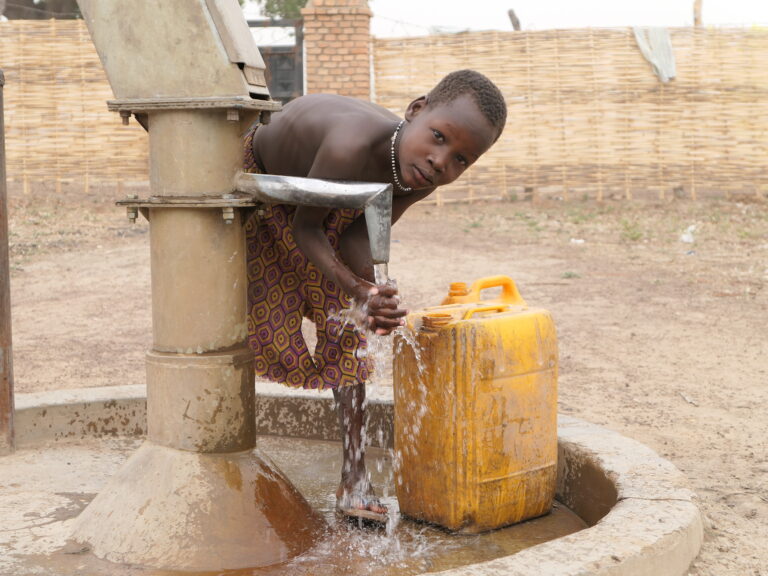
South Sudan, the world’s youngest nation, emerged from decades of war and neglect with almost no infrastructure. Today, more than half of its 13 million people still lack access to clean, safe water. According to UNICEF, 59% of South Sudanese rely on unsafe water, fuelling the spread of deadly waterborne diseases—the leading cause of death for children under five.
Access to clean water is not only about survival. It is the foundation for health, education, gender equity, and economic opportunity. Without reliable water systems, communities cannot thrive, and nations cannot stabilise.
Our Response
Netri is providing a grant to Water for South Sudan (WFSS) who delivers sustainable quality-of-life services with the people of South Sudan by expanding access to clean water, hygiene, and sanitation. WFSS is uniquely positioned as the only NGO exclusively focused on solving South Sudan’s rural water crisis. With a locally led team, deep community relationships, and two decades of proven experience, they ensure not only access to water but also its long-term sustainability through training and capacity building.
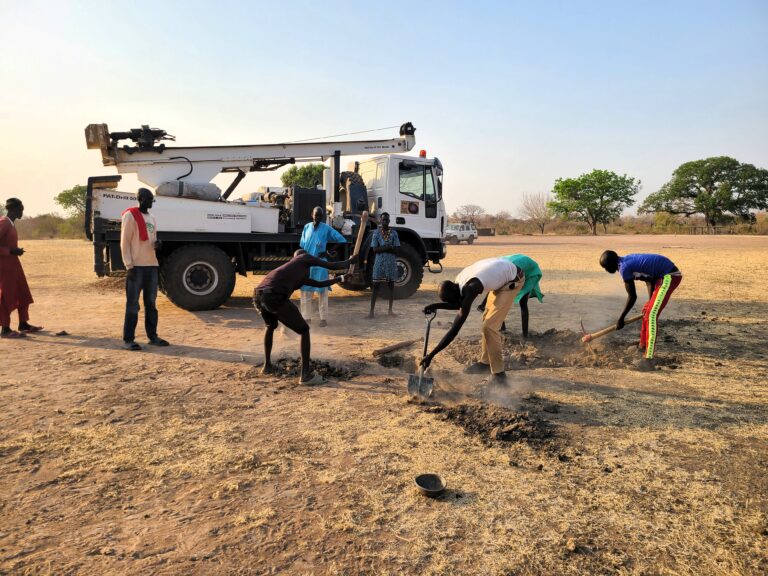
Since 2005, WFSS has drilled more than 650 new wells and rehabilitated over 460 older wells, bringing clean water to more than 500,000 people in rural areas, where 80% of South Sudan’s population lives.
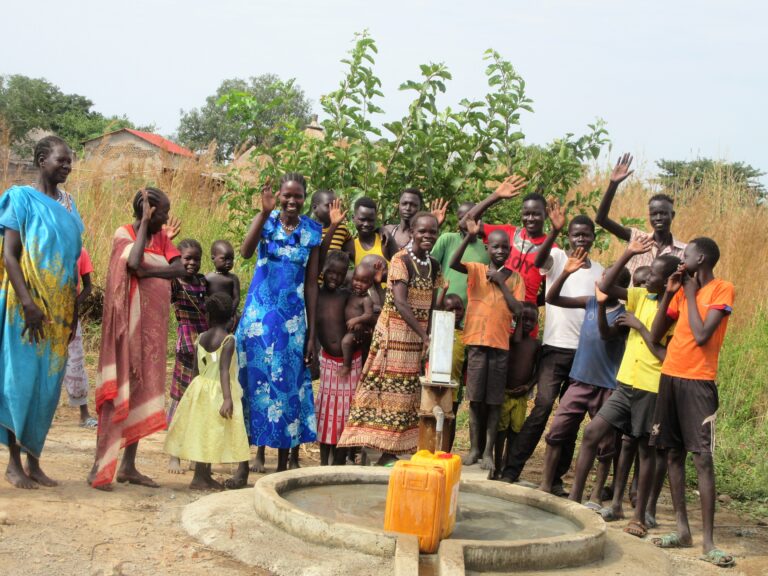
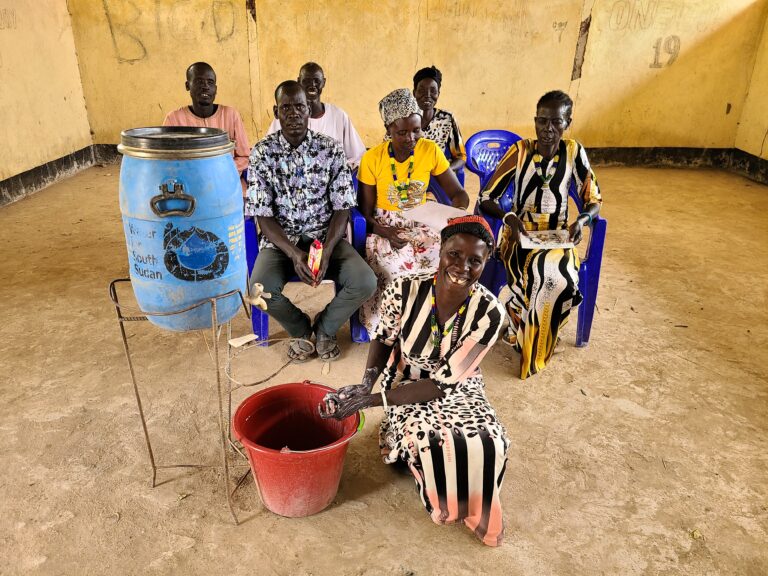
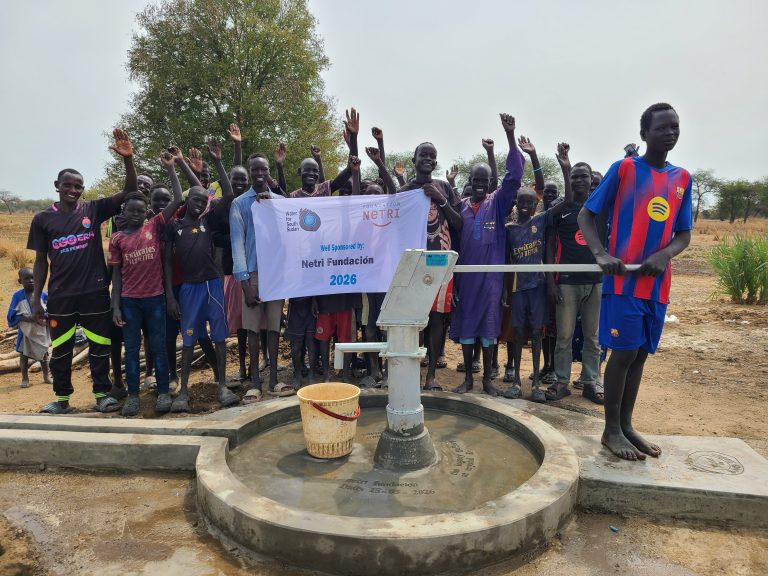
Netri Foundation´s grant will help 10 villages across Warrap, Northern Bahr el Ghazal, and Western Bahr el Ghazal States gain safe, sustainable water for the very first time. These 10 new wells will serve more than 5,000 people. A portion of this grant will also be used to train 20 hygiene promoters to encourage safe water and sanitation practices and 70 Water Management Committee members to ensure the effective management of the wells over the long term.
Sustainability is embedded in every well through the creation and training of Water Management Committees. Each committee of 6–12 local members—deliberately balanced by gender—takes responsibility for guiding community use of the well. Members are trained in basic repairs, while designated caretakers and pump mechanics oversee routine maintenance. This model ensures that wells remain functional and are truly owned by the community for the long term.
WFSS collaborates with the Department of Rural Water (DRW) and local-level leadership to identify villages with the greatest need. Key criteria include a minimum population of approximately 500 residents, lack of existing clean water source, and ability to maintain the well long-term. Before drilling, WFSS holds meetings with village elders and community members to understand local priorities, assess needs, gather baseline data, and jointly select trainees
Expected Social Impact
Netri´s donation is expected to allow 10 communities comprising more than 5,000 people, to take their first step toward health, education, and opportunity
A single well transforms a village. Health improves immediately, reducing child mortality and disease. Women and girls no longer walk miles each day for unsafe water— they can farm, trade, and attend school.