What we have achieved
The impact of our grants and social investments in numbers
Since Inception:
- We have financed 177 institutions, disbursing more than 72 million euros
- We have incentivised a further 17 million euros from other investors as a result of our catalytic investment initiatives
- We have donated more than 8,2 million euros to support the programmes of 47 other organisations
To measure the impact of all our activities, we have adopted a methodology to calculate the social impact of each investment and grant.
ACTIVITY BY REGION
December 2025
Cumulative results since inception. Includes only direct investments in social enterprises and donations (does not take into account investments in impact funds and bonds).
Impact by focus area
Summary of our main projects and their impact
Education
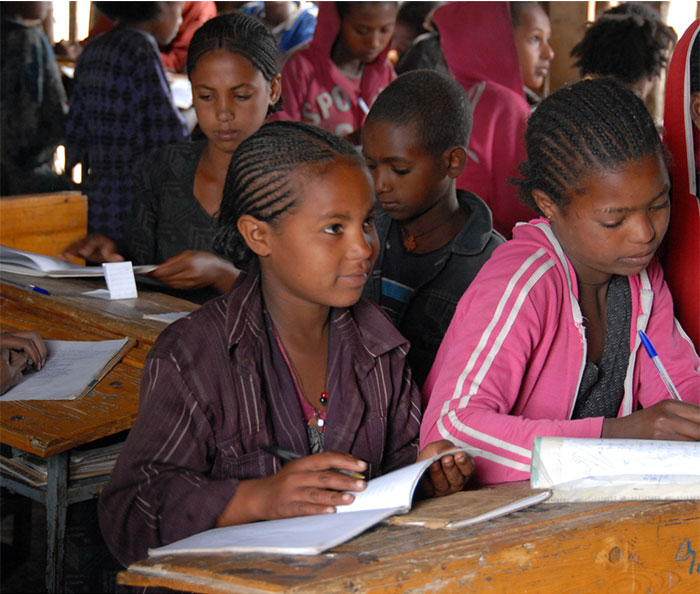
More than 285,000 children with access to education
- Construction of 22 schools, a student residence, and 6 libraries, providing more educational opportunities
- Affordable financing for new facilities in private schools, benefiting more than 160,000 primary students with a higher-quality education
- Loans for university students, enabling over 300 young people to complete their higher education
- More than 3.000 children receiving scholarships and educational support, giving them a better childhood and a brighter future.
- Teacher training to improve educational quality, ensuring more effective learning for students.
- Distribution of 2,760 radios for distance education, granting access to learning and essential information for around 55,000 people.
- Delivery of 4,640 bicycles to children in remote areas, making it easier for them to reach school and reducing transportation barriers.
Health
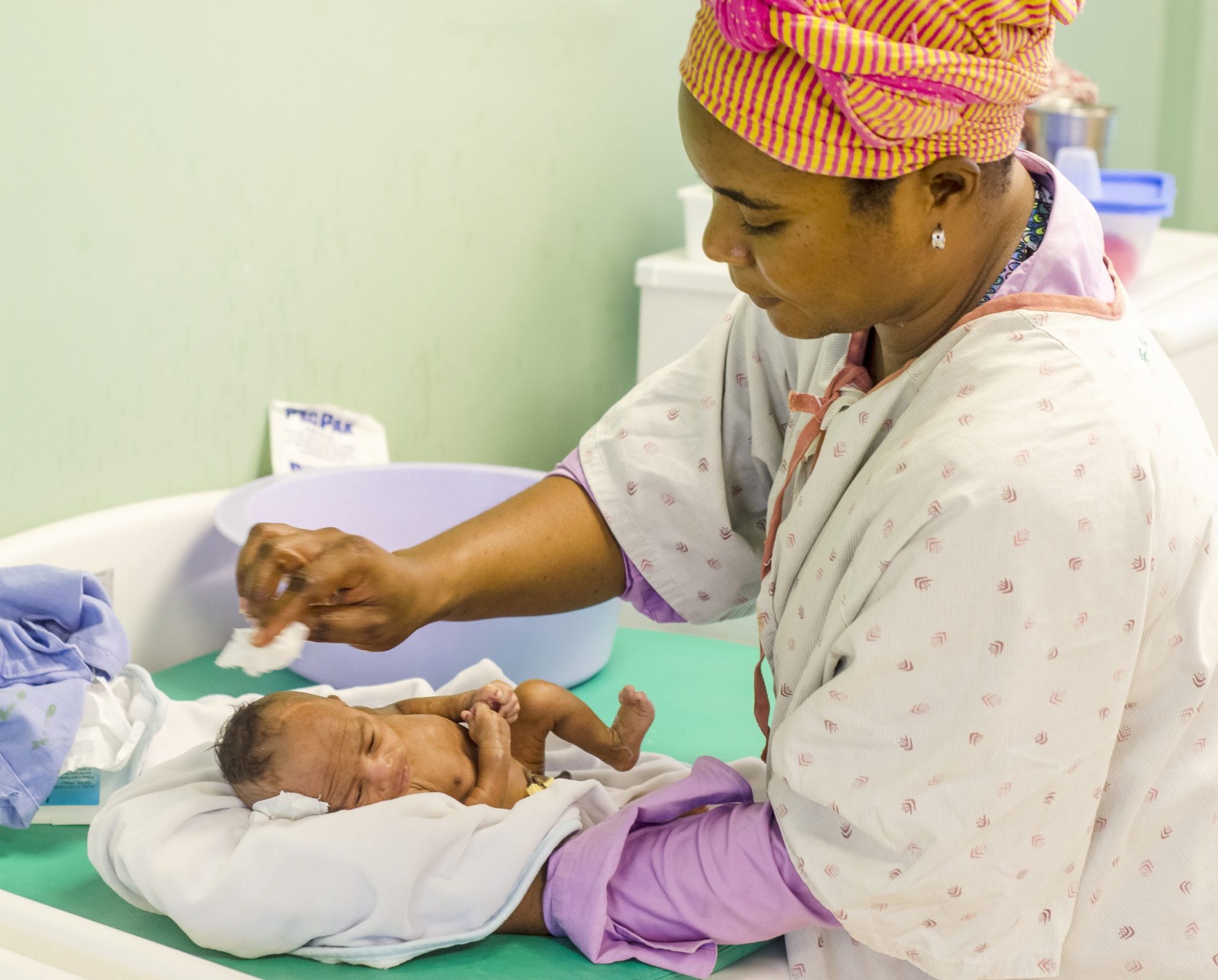
Improved healthcare access for over 396,000 people through various targeted initiatives.
Maternal, newborn & reproductive health
- Taking on a ‘tech and touch approach’, we have funded programs that leverage technology and mobile phone penetration to promote behaviour change in over 130,000 expectant mothers to reduce maternal and child mortality.
- We have also funded the construction of a maternal operating theatre
Child Health and Nutrition
- 18 nutritional support programs helping 5,800 children recover from severe malnutrition.
- Construction of 22 school health clinics, improving care for over 30,000 children aged 6 to 17.
- More than 6,800 children will receive daily meals through a three-year school feeding initiative.
Fighting inequality in healthcare
- Infrastructure was improved across four clinics in remote areas, benefiting more than 4,000 people.
- A shelter and three mobile medical units were established, assisting 180,000 unhoused people.
Public health protection
- More than 9,500 alerts were issued against counterfeit medications that could have caused serious health complications or death.
Blindness prevention
- An ophthalmology project in Sub-Saharan Africa that enabled over 700 successful cataract surgeries.
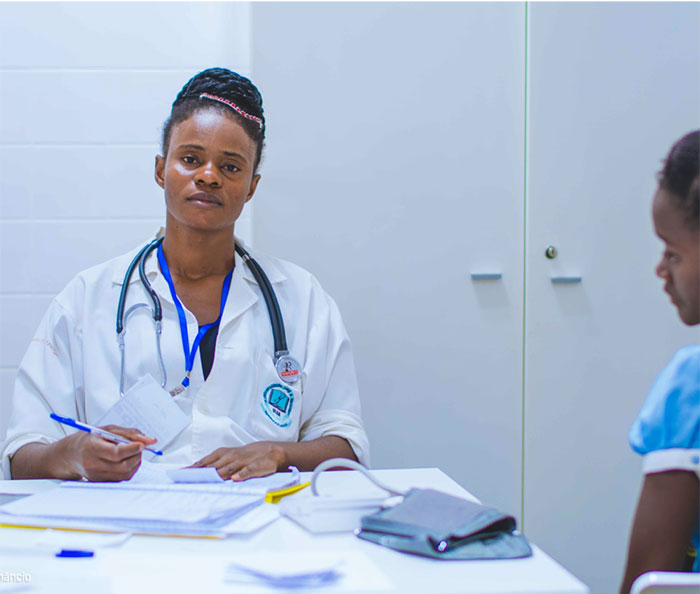
Strengthening primary healthcare
- We support innovative programs in high-risk countries, collaborating with NGOs such as Healthy Learners and Integrate Health, which, together with governments, implement highly scalable models to improve disease prevention and treatment.
Agriculture
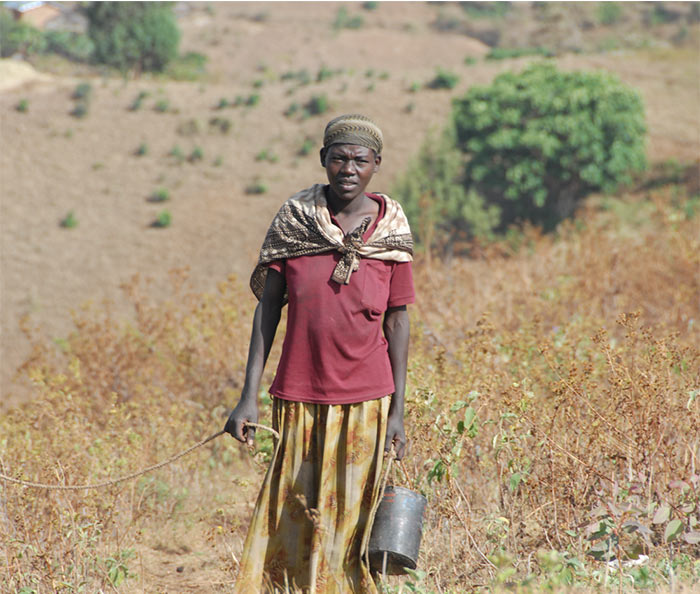
More than 185,000 smallholder farmers have accessed agricultural loans and/or services that boost their productivity and commercial opportunities:
- Improving smallholder farmers’ access to formal markets.
- Promoting good and environmentally friendly farming practices.
- Offering training in new farming methods and financial literacy.
- Reducing post-harvest losses through training in produce storage,
handling, and transportation techniques.
Initiatives that promote the economic resilience of small-scale producers, while also contributing to ecosystem protection and fostering long-term, equitable, and sustainable development.
Housing
164 homes built – safe and dignified homes
- We support the construction of basic homes for families living in vulnerable conditions. Each home includes sanitary facilities that meet essential standards for health and decent living.
- These projects involve active community participation and prioritise women’s ownership of the homes as a way to ensure legal protection and promote gender equality.
The new homes significantly improve the quality of life of these families.
Microfinance
Over 375,000 microloans granted
- Thousands of vulnerable families have accessed financial services such as microloans, savings accounts, and insurance.
- We prioritise the financial inclusion of women and rural communities, allocating 66% of the loan value to female clients and 53% to people in rural areas, to reduce structural inequalities in access to credit and economic opportunities.
- The organizations we work with also offer training in entrepreneurship, financial literacy, and other important topics to meet the specific needs of the communities we support.
Energy
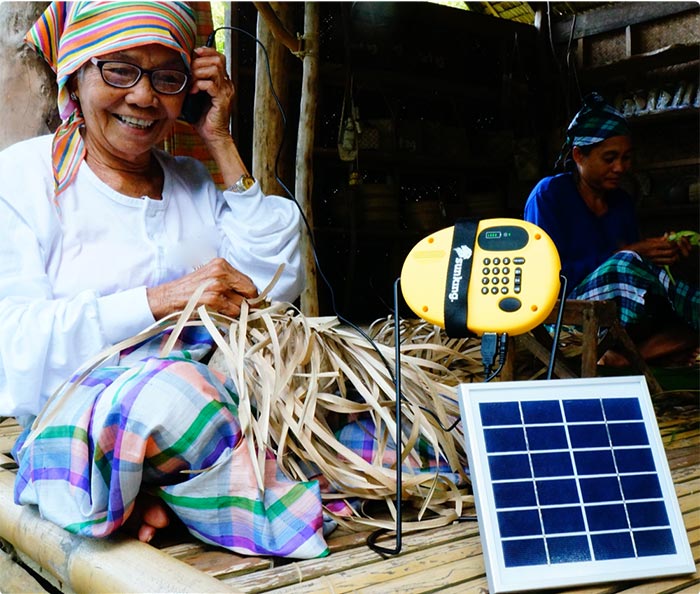
More than 295,000 households benefiting from solar energy in their homes
- We support initiatives that facilitate access to solar energy solutions for rural and isolated communities where the conventional power grid does not reach or is inefficient. This transition reduces household energy expenditure and significantly improves people’s quality of life and health by replacing polluting
and expensive sources such as candles, firewood, or kerosene.
This access to clean and affordable energy substantially has provided these families more time for work, study and leisure, materially improving their quality of life.
Water
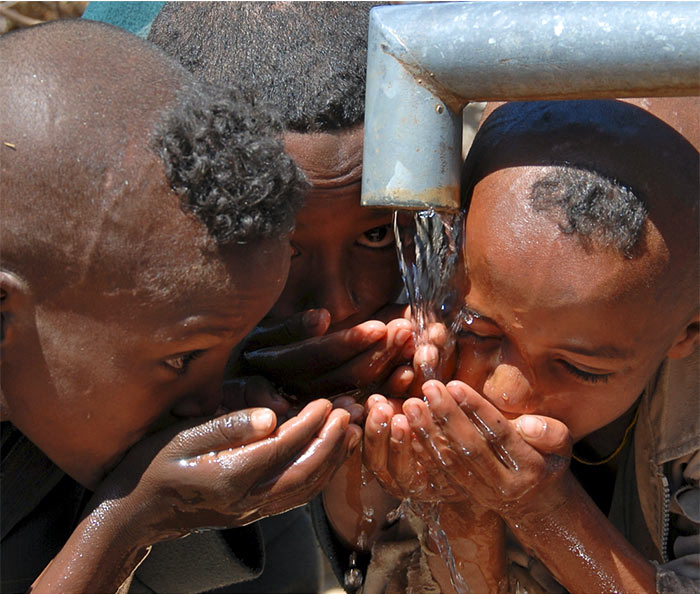
More than 70,000 people with access to drinking water
- We have financed the construction of 209 wells, spring protection systems and water collection systems in areas affected by water scarcity. These projects allow communities to access clean water, which reduces exposure to waterborne diseases and improves health conditions.
- The interventions prioritise technical solutions adapted to the environment, such as shallow boreholes and spring protection systems, and include the set up and training of community committees to ensure the maintenance and sustainability of the infrastructure.
- Having water close to homes reduces the workload for women and girls, who are traditionally responsible for collecting water, thus freeing