Promoting the productivity of smallholder farmers
Zambia, 2024
Social Issue
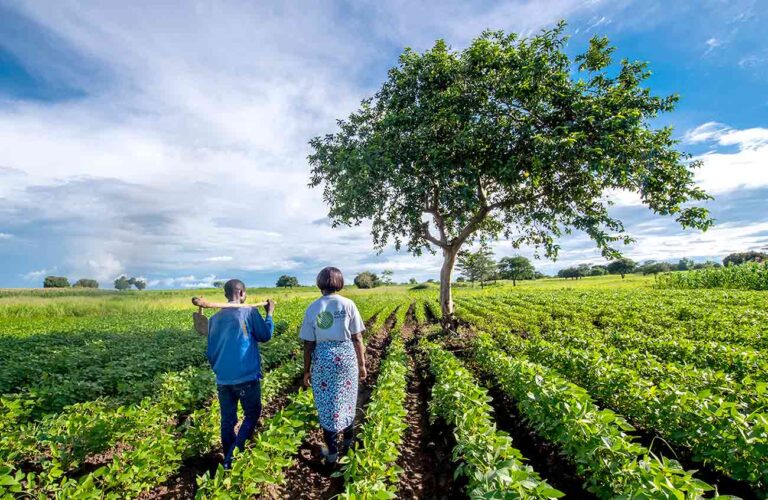
In Zambia, while agriculture employs between 60–70% of the country’s workforce, the sector contributes less than 10% to the national GDP. A major reason for this gap is the low productivity of small-scale farmers, who achieve just 20% of the yields per hectare compared to commercial growers.
Low profitability among small-scale farmers stems from limited access to high-quality inputs, minimal use of modern farming practices, and a lack of post-harvest storage facilities to preserve crop quality. On top of that, restricted access to reliable markets where they can sell at fair prices discourages farmers from making the investments needed to improve their productivity.
Our Response
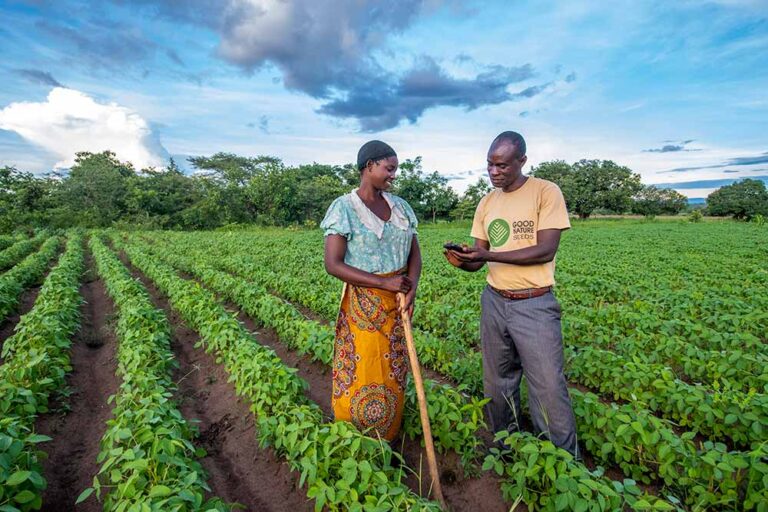
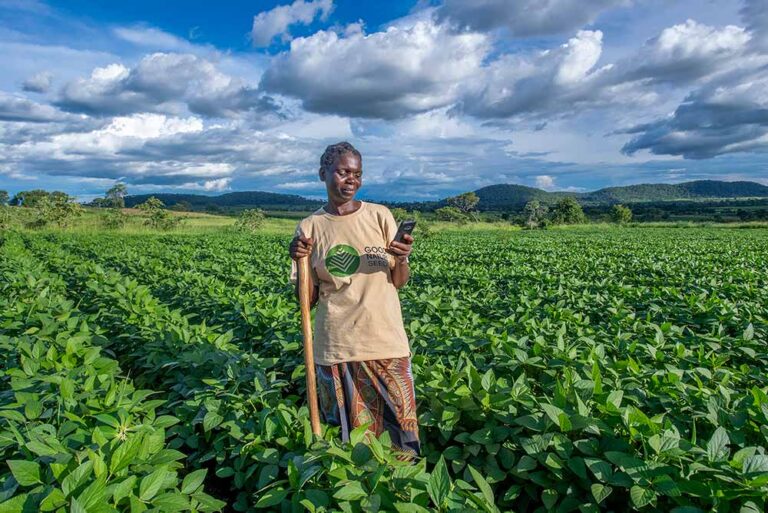
Netri has been partnering with Good Nature Agro since 2020. In 2024, we renewed the loan to Good Nature Agro (GNA), an agricultural company based in Chipata, Zambia, that has established itself as a key player in boosting smallholder productivity and market access. GNA specialises in the production of improved seed varieties, primarily soybeans, cowpeas, beans, and groundnuts, which are sold to farming cooperatives, traders, aggregators, and exporters. Since October 2021, GNA has expanded into Malawi, further strengthening its regional presence.
GNA operates through a network of over 15,000 small-scale farmers. Its model combines input provision with guaranteed crop purchase, offering farmers a stable path to both financing and markets. This approach has built deep, trust-based relationships with growers, many of whom rely on GNA as their primary source of income.
Expected Social Impact
Netri’s investment will enable GNA to continue strengthening its value chain, expanding access to quality seeds, market channels, and technical services for thousands of small-scale farmers. In a context where household incomes depend heavily on the crops supported by GNA, this loan will directly contribute to improving rural livelihoods, advancing food security, and promoting economic inclusion in one of the country’s most underserved regions.