Promoting the productivity of smallholder farmers
Tanzania, 2025
Social Issue
About 65% of Tanzanians live in rural areas, with over 95% being smallholder farmers cultivating less than 2 hectares. Most sell only 20% of their produce, and over 80% cite low market prices as their biggest challenge. Improving access to fair markets is key to reducing their dependence on middlemen and strengthening rural incomes.
Our Response
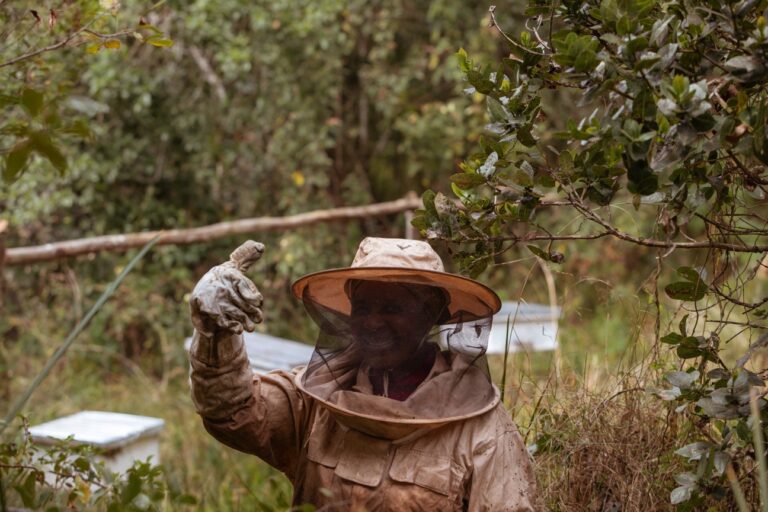
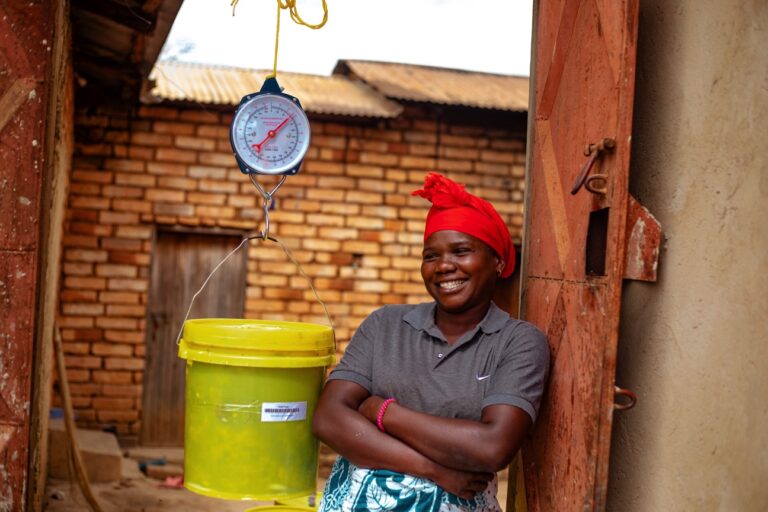
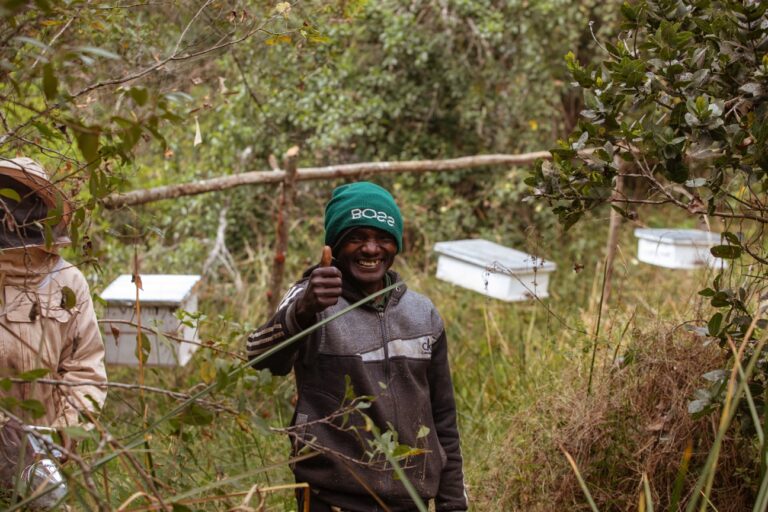
Netri has provided a loan to Swahili Honey, the leading supplier of honey and beeswax sourced from Tanzania. Founded in 2015, the company is dedicated to sustainable beekeeping practices and producing high-quality natural honey. The process begins with direct sourcing from rural communities, where Swahili Honey has developed a network of beekeepers. Beekeeping officers live and work within these communities, serving as a key link between the company and farmers, facilitating coordination, production monitoring, and the implementation of good beekeeping practices. Swahili Honey also provides free training on hive management and modern harvesting methods, as well as specialized equipment, such as hives, honey extraction machines, and protective gear, through pre-financing schemes. Once collected, the honey is transported to their production facility in Dodoma (the capital of Tanzania). Here, the honey is processed, filtered, and packaged into various formats, both for sale in the local market and for export.
This loan will be used for the purchase of honey from farmers during the harvest season, which typically runs from May to October.
Swahili is also making substantial investments to obtain organic certification for its beekeepers. This season, it began the certification process with 200 beekeepers. Until now, the related costs have been covered through grant funding. However, following the reduction of their USAID support, Swahili Honey has been seeking alternative sources of funding to bridge the gap. To support this effort, Netri has provided a grant to help finance the necessary infrastructure and certification activities.
Expected Social Impact
Swahili Honey currently partners with 2,800 small-scale beekeepers across Tanzania, with plans to grow to 5,000 by 2026. Beekeepers see incomes rise by about 30% when selling their honey to Swahili, while 78% report increased production and 80% find training highly valuable. In 2024, the company purchased 750 tons of honey and 200 tons of wax, channeling $1.75M back to producers, or about $628 per beekeeper.
Swahili Honey is opening access to higher-value markets, through organic certification. Over time, this initiative is expected to raise incomes further by at least 20% and strengthen rural livelihoods. The expansion of certified, sustainable beekeeping will also promote biodiversity and more resilient local economies.